First order with us? Enjoy 15% OFF SITE-WIDE • Use code WELCOME15
First order with us? Enjoy 15% OFF SITE-WIDE • Use code WELCOME15

For those who like to fully take the reins on their journey to Truly Raw, we’ve partnered with a certified pet nutritionist to create our DIY Raw Recipes series. These meals incorporate our DIY Parts products and other raw ingredients and are step-by-step recipes that you can follow to ensure you’re feeding your pet a complete and well-balanced raw meal.
For pet parents who prefer to spend time prepping DIY meals for their cat or kitten. This recipe is balanced to NRC nutritional guidelines for cats and kittens by our in-house certified canine nutritionist. The recipe is balanced as-is and ingredient changes or substitutions can affect the balance of the recipe. While our Truly Raw base mixes are made for dogs, this recipe modifies the Turkey Mix appropriately for cats and kittens.
Batch Recipe Ingredients
Carnos Truly Raw Turkey Mix – 5.2lb
Carnos Boneless Ground Turkey – 6.5lb
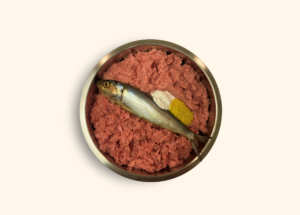
Carnos Whole Sardines – 250g
Bluebonnet Chelated Manganese, 10mg – 1.5 pills
Thorne Copper Bisglycinate 2mg – 8 pills
NOW Taurine, 500mg – 2 pills
NOW Iron Bisglycinate, 18mg – 7 pills
NOW Zinc Picolinate, 50mg – 1
NOW Potassium Citrate, 99mg – 20 pills
NOW Kelp powder – 10 scoops
NOW Vitamin E dry capsules – 4 pills
NOW Psyllium Husk Powder – 10-15 tsp (optional)
Recipe total yield = 196 ounces = 12.25 pounds
Recipe calories per ounce = 50.4 kcal/ounce
Recipe macronutrients = 17% protein, 12% fat
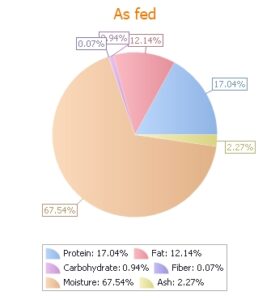
A very general guideline for calculating feeding amounts:
Adult Cats: Adult cats of average size will typically consume 3-4 ounces of food per day. Very large cats will need slightly more. Adjust the feeding amounts as necessary to maintain a healthy body condition.
Kittens: Kittens should be allowed to eat as much as they can consume in a 10-15 minute period, a minimum of 4 times per day.
*Every cat is an individual with a unique metabolism. Feeding amounts should be adjusted as needed. If a cat is too thin and health issues have been ruled out, increase daily food. If a cat is too heavy and health conditions have been ruled out, decrease food within reason.
Pro Tip: Cats can be difficult to transition to new foods. This is because cats have “food imprinting behavior”, which means that their brain will imprint on foods from a young age to help them identify foods that are “safe” for them to eat. Therefore, transitioning diets and trying new foods can take time and patience in order to show the cat that the new food is “safe”. Some cats will accept a small amount of new food mixed into their current food. If your cat will not accept that method, then try offering small amounts of the new food separate, but next to, their normal meal. When the food is presented next to safe food over time, cats will usually give the new food a try eventually. If your cat is starting on dry food, try slowly transitioning to wet food before transitioning to raw food.
Nutritionist Tip: Since cats are obligate carnivores, their diet does not need to include vegetables which provide fiber. However, wild cats would normally receive “fiber” through fur and feathers. Therefore, some cats may benefit from or need a fiber replacement; psyllium husk can work well for this.
